Work — Systems Thinking
Undoing 20 years of built-up friction
148 → 14
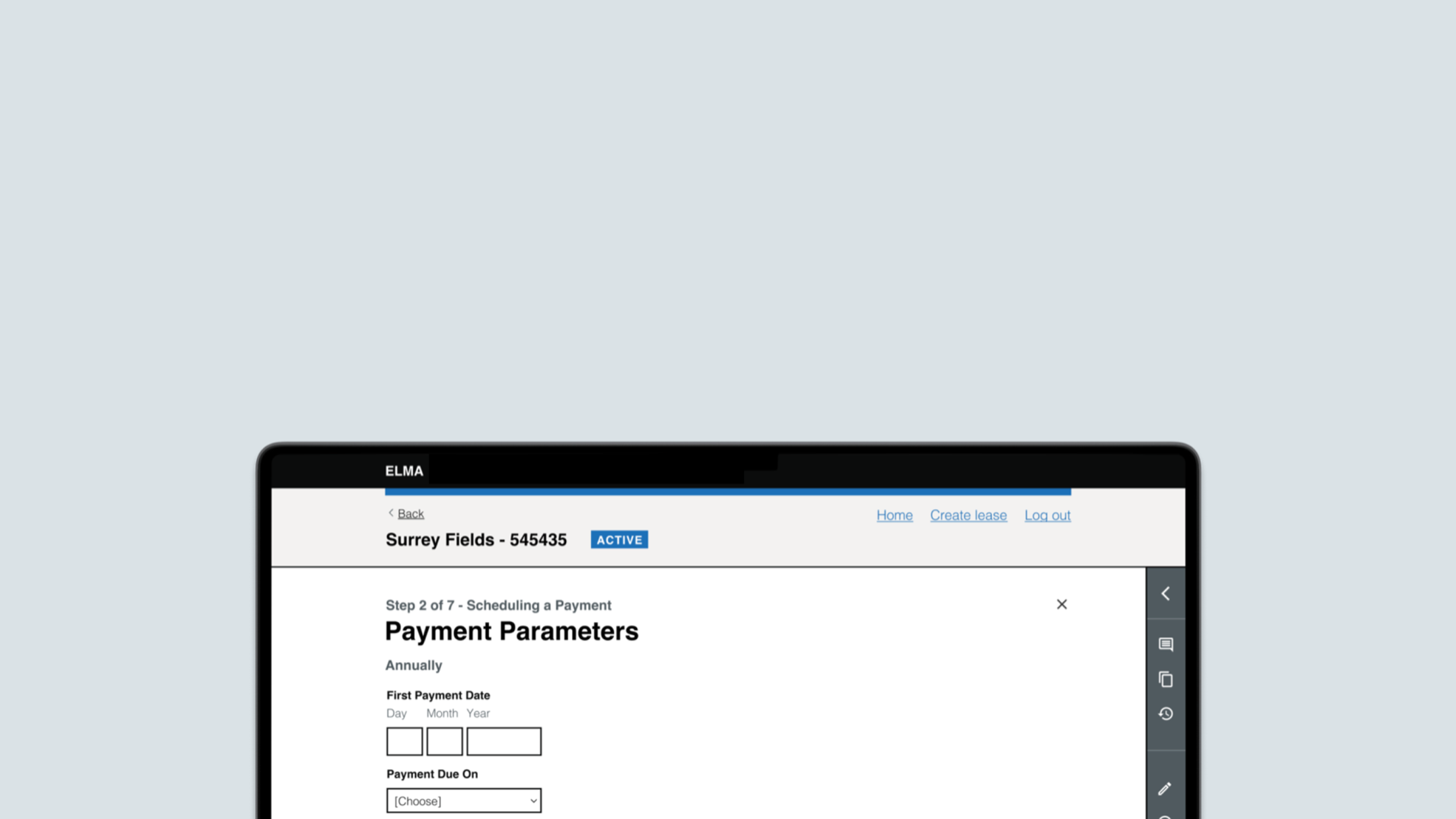
fields reshaped into simplified journeys
4,000
sites worldwide
9/10
client NPS
The ask: replace a system people were working around
Thousands of people across the country manage government leases on ageing, inaccessible systems that were never built for them.
The old system had 148 required fields. Most of them irrelevant to the person filling them in. So people entered inaccurate data just to get to the next screen. The data going in was wrong because the system made getting it right too expensive.
Replace it with something that only asks for what it needs. For a client with no product process who had never worked in Agile.
Fix how we work before fixing what they use
I didn’t start with the system. I started with the working relationship.
We set out a social contract and a way of working built around getting the client comfortable with Agile rather than expecting them to arrive fluent. Skip that and every design decision later becomes a negotiation with people who don’t yet trust the process.
148 fields, audited one by one
Six in-person workshops gave me the real picture, then I audited the underlying data and mapped all 148 labels against what each one actually needed to be.
That separated the essential from the noise. The result was 14 simplified journeys built around how people work, rather than 148 fields built around how the database was structured.
You can’t simplify a system you haven’t taken apart first.
Pushing back cost me more than agreeing would have
Some of the client’s assumptions didn’t match what users needed, and I said so.
That’s an uncomfortable conversation on a fixed-price contract. Agreeing is cheaper in the moment and protects the margin. But a wrong assumption baked in early costs far more to unpick later than the discomfort of raising it.
GOV.UK Design System, for three reasons at once
Not the obvious choice, the useful one. Accessibility out of the box, faster delivery, and stakeholders aligned instantly around a standard they already recognised.
One decision that solved a design problem, a delivery problem and a political problem together.
A sprint ahead of development, on purpose
Staying a sprint ahead kept momentum and made progress visible early.
On fixed-price work that matters. It builds confidence and takes the risk out of late changes. Working closely with the technical lead kept everything inside what TRIRIGA could actually support, so integration problems got caught before they were problems.
4,000 sites, and a client who wanted more
The system now manages 4,000 sites worldwide.
The client scored it 9/10 on NPS and extended the contract by four sprints. Designs landed ahead of schedule, which counts for a lot on fixed-price work where trust is easy to lose.