Work — Simplification
Redesigning how BP engineers work in the field
9
regions
90
sites
3,000+
users at full rollout
The ask: replace the clipboard
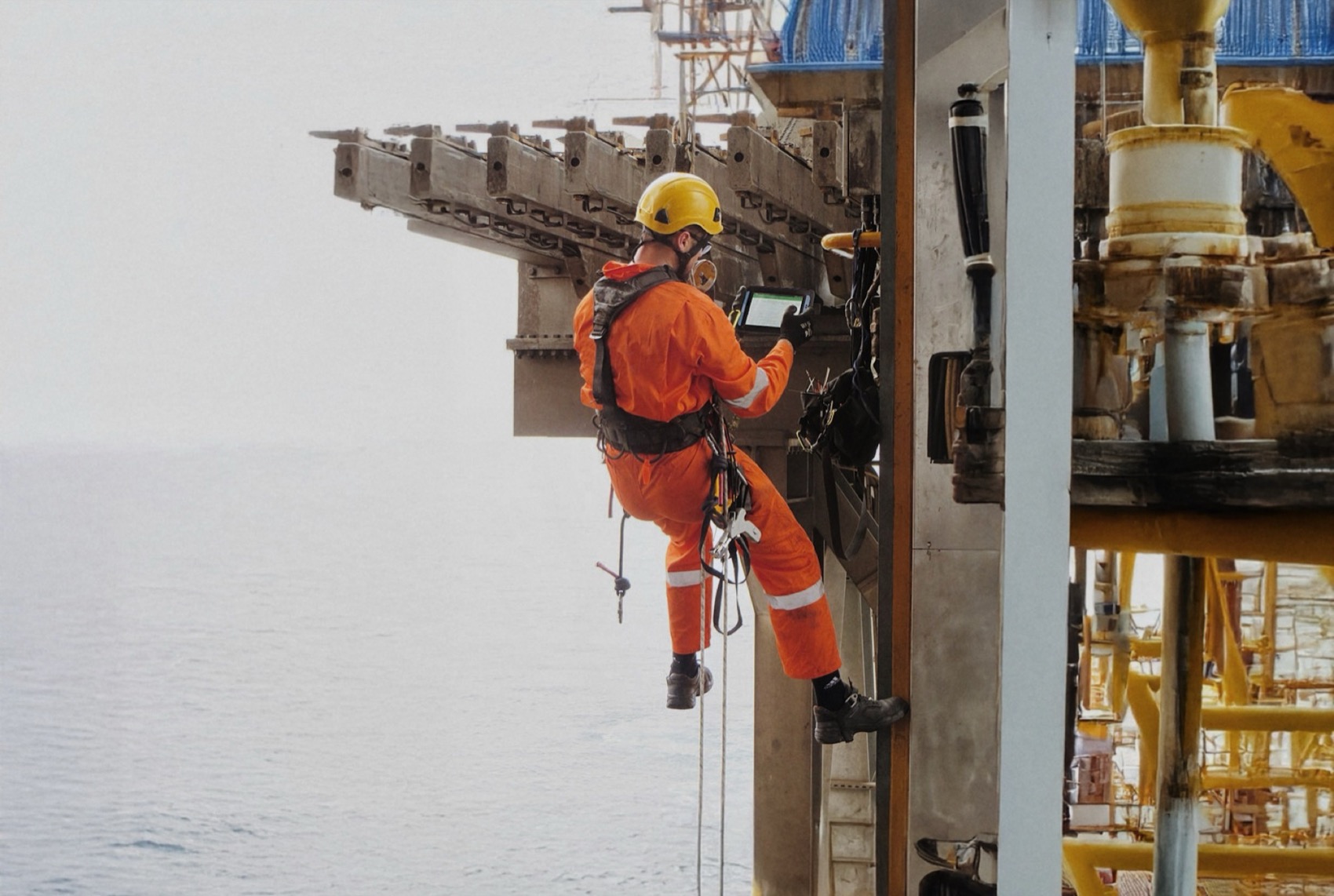
BP’s upstream engineers ran operations on paper. Clipboards, manual recording, processes unchanged in years.
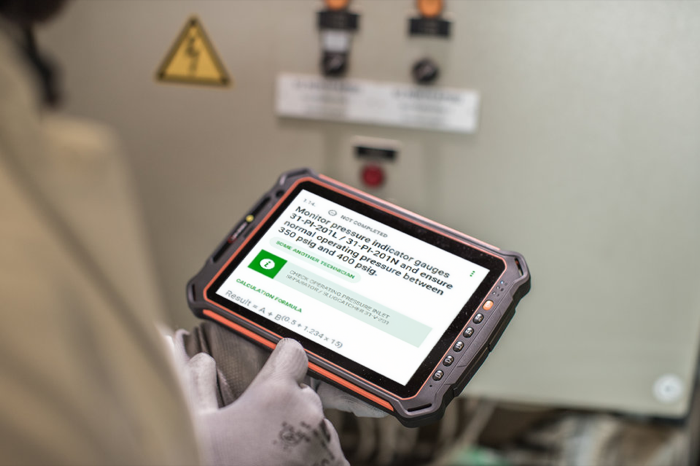
I led the design of Operator Workbench: a mobile tool built on Salesforce Field Service Lightning that had to work offline, in remote locations, in the hands of people wearing gloves on a live site. Everything a technician needs to run their site, on one device, syncing back to the central systems the moment they’re in range.
Everything good UI design tells you to do would get someone hurt
An engineer on a rig wears thick gloves. Sunlight washes out the screen. A wrong reading isn’t a bug, it’s a safety event.
So the usual playbook was the enemy. Small touch targets, subtle colour, dense screens, all of it fails the moment someone’s working with gloves on in direct sun. I designed against those instincts: large targets sized for gloved hands, colour that survives glare and colour blindness, one clear action per screen instead of density. The output was a UI kit of 200+ reusable symbols that any BP team could build on.
I tested it where it would be used, not where it was easy
Prototypes went into real working conditions, not a usability lab.
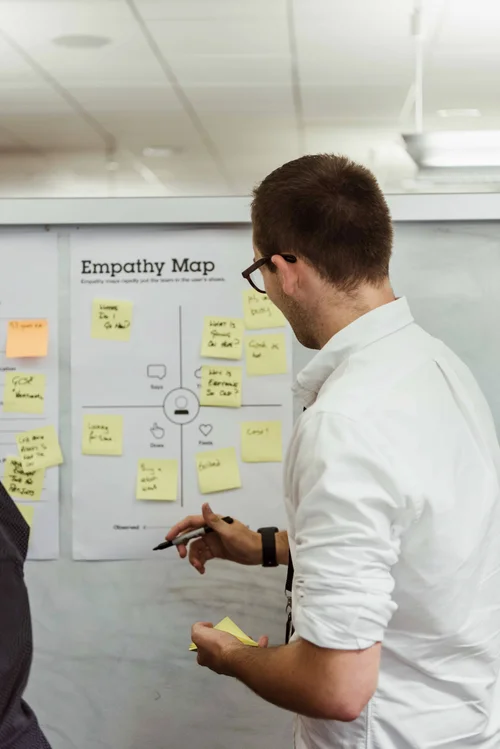
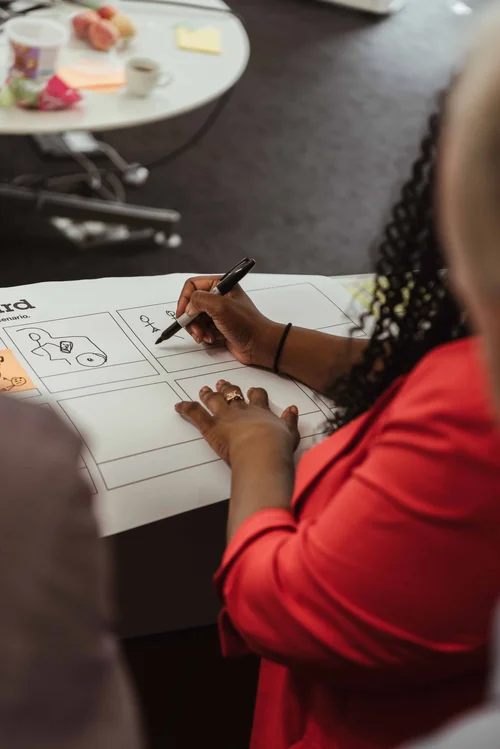
An interface that holds up on a desk tells you nothing about whether it holds up on a platform. A sponsored engineer from operations guided decisions throughout, keeping the work tied to how the job actually runs.
Offline, because the field doesn’t wait for signal
Remote sites don’t have reliable connectivity, so the tool had to be fully usable with none.
Rounds recorded offline, issues raised as Salesforce cases automatically, live data written back to SAP the moment the device reconnected. A round could be suspended and handed to the next shift, so collaboration survived a change of person.
200+
reusable UI symbols
7 mo
first workshop to live
$1.5m
saved at Atlantis
$1.6m
production benefit, Azerbaijan
185 minutes to 67, then rolled out to the world
The rounds and basic-care process went from 185 minutes to 67.
Version 3 went live across all nine target regions, including Trinidad, Indonesia, Azerbaijan and the Gulf of Mexico. $1.5 million saved at Atlantis from better equipment surveillance. $1.6 million production benefit at Sangachal in Azerbaijan from mobile control of work alone. BP is scaling it further, toward 3,000+ users across 90 sites.
185 minutes to 67. And live in all nine regions.